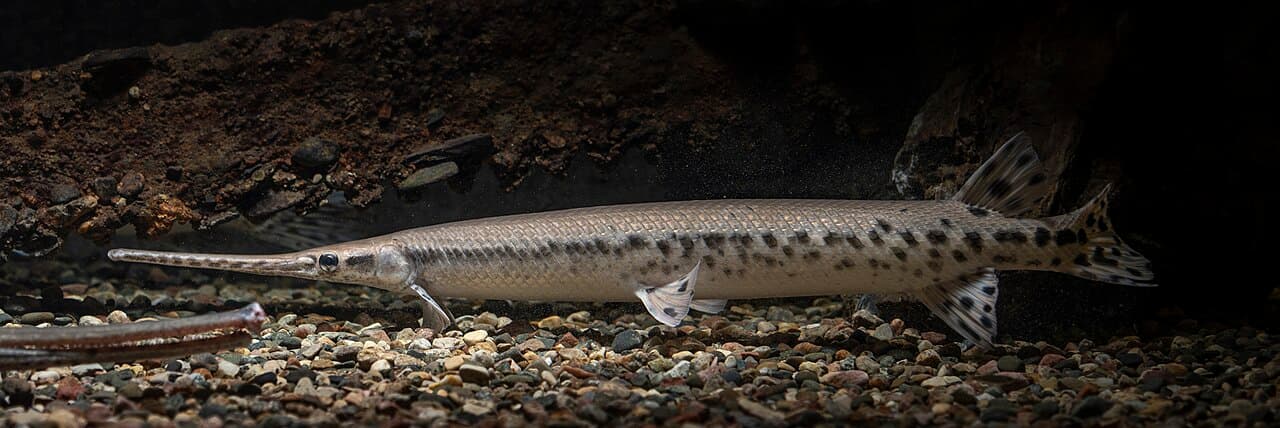
Gar (Longnose & Alligator)
FreshwaterIn season now

Gar (Longnose & Alligator)

Lepisosteus osseus / Atractosteus spatula

Living fossils in armor plating. Longnose gar prowl warm rivers nationwide east of the Rockies; alligator gar in the South reach 7 feet and 200 pounds — genuine river monsters.

Typical size
Longnose 2–3 ft; alligator gar 3–5 ft
Trophy class
Longnose 4 ft+; alligator gar 6 ft+ / 100 lb+
Challenging

The bony mouth is the whole challenge: use no-hook rope lures that tangle their teeth, or give bait runs a long count before setting. Summer river fish porpoising at the surface show you exactly where to cast.

Quick Catch Plan

Best bait right now
4" cut mullet or shad under a float, drifted past surfacing fish — wait out the run before tightening
Recommended lure
Frayed nylon rope lures (no hooks needed) retrieved past cruisers
Setup
7'6" MH rod, 5000 reel, 50 lb braid, 12" of 60 lb mono or light wire
Where to go
Slow river pools, oxbows, backwaters in summer heat
Best time
Hot, still afternoons when gar roll on the surface
Season notes
Mid-summer low water concentrates gar in deep pools — the classic season.

ID Characteristics

Use these field marks and context clues to separate gar (longnose & alligator) from similar fish before logging or keeping one.

  • Overall look: Living fossils in armor plating. Longnose gar prowl warm rivers nationwide east of the Rockies; alligator gar in the South reach 7 feet and 200 pounds — genuine river monsters.
  • Typical size: Longnose 2–3 ft; alligator gar 3–5 ft; trophy class: Longnose 4 ft+; alligator gar 6 ft+ / 100 lb+.
  • Most likely setting: river, lake, creek, marsh in South Central, Southeast, Midwest.
  • Where to confirm it: Surface rolls — gar breathe air and give themselves away constantly.
  • Compared with Longnose vs spotted vs shortnose gar: Longnose: needle snout >2x head length. Spotted: spots on head/fins. Alligator gar: broad double-row-toothed snout and sheer bulk.

Gear Recommendations

Rod
7'–8' MH-H
Reel
5000–6000 spinning with smooth drag
Main line
40–65 lb braid
Leader
60–80 lb mono or nylon-coated wire (gator gar: 100 lb+)
Hooks
Small strong trebles (#4) or 2/0 octopus rigged in cut bait; many use no hook + rope
Terminal tackle
Floats, egg sinkers for bottom baits
Lure sizes
6" rope lures; 3–5" cut baits
Lure colors
White rope; natural cut bait
Baits
Cut mullet · Cut carp/buffalo · Live shiners · Cut shad
Beginner setup

MH combo, braid, float + cut bait cast to rolling fish. Count to ten (or twenty) on the run.

Budget setup

Make rope lures from frayed nylon rope — genuinely effective and nearly free.

Serious angler

For alligator gar: 100 lb tackle, big cut baits on the bottom, long free-spool runs, and ideally a guided first trip (specialized handling).

Techniques

Presentation
Float rigs drifted at cruising depth (1–3 ft down) near surfacing fish; rope lures cast past and retrieved through their path.
Retrieve
Rope lures: steady medium. Bait: none — free-spool the run, tighten slowly, sweep.
Positioning
Gar spook less than most fish; still, cast beyond and bring bait to them.
Depth
Surface to 6 ft most of summer.
Structure
Pool tailouts, backwater mouths, log rafts, oxbow lakes.
Working current
Slow to slack water; gar gulp air at the surface in warm stagnant pools.
boat fishing

Drift the pools; sight-cast to rollers.

kayak fishing

Quiet approach to rolling pods; be mindful with a green 4-footer boatside.

shore fishing

River sandbars over deep pools are perfect ambush points.

Timing & Conditions

Seasons
May–September; peak in the hottest weeks.
Time of day
Late morning through evening — warmth beats low light for gar.
Weather
Hot, calm, sunny: exactly when other fishing dies.
Wind
Calm surfaces make spotting rollers easy.
Water temp
Most active 75–90°F.
Seasonal movement
Upstream spring spawning runs to grassy shallows; summer pool concentration; deep sluggish wintering.

Habitat — Where to Find Them

Warm rivers, oxbows, swamps, and reservoirs; alligator gar in TX/LA/MS/AR river systems and brackish edges.

Depth range
1–10 ft.
Look for
Surface rolls — gar breathe air and give themselves away constantly.
Migration
Spring floodplain spawning movements; alligator gar need flood years to recruit.
slow poolsoxbowslog raftsbackwatersgrass flats (spawn)

Common Mistakes

  • Setting the hook immediately — gar hold bait crossways in the beak for a long time
  • No leader against a mouth of teeth
  • Trying to lip or grab the snout of a green fish
  • Assuming they're 'trash fish' — alligator gar are heavily regulated trophies in Texas
  • Skipping the rope lure, which out-hooks hooks

Catch, Handling & Release

Landing
Rope-tangled fish: unwind carefully with pliers. Net small gar; big alligator gar need experience and proper equipment.
Handling
Armor-plated but handle with gloves — teeth and gill plates cut. Support big fish fully.
Release
Release is the norm; eggs are toxic to mammals — don't keep roe.
Conservation
Alligator gar: strict limits/tags in TX and protected in several states. Verify before harvesting any gar.

Common Lookalikes

Longnose vs spotted vs shortnose gar

Longnose: needle snout >2x head length. Spotted: spots on head/fins. Alligator gar: broad double-row-toothed snout and sheer bulk.

Guide data is editorial and general — conditions, regulations, and fish behavior vary by water. Photo: Wikipedia — Longnose gar.