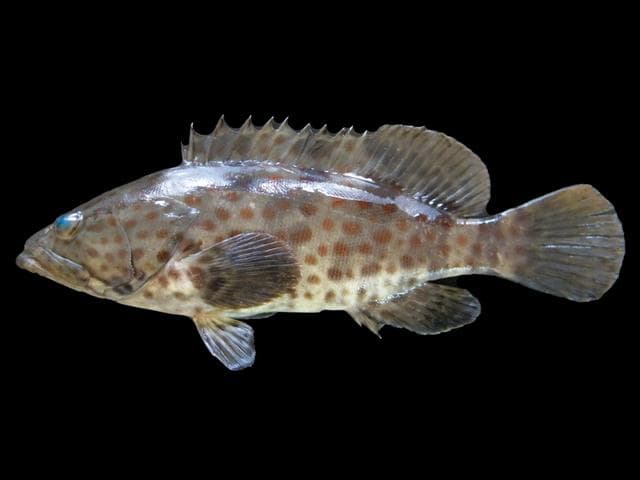
Epinephelus coioides
The kerapu — a structure-loving ambush predator of estuaries, jetties, and coastal reefs. Estuary grouper inhale bait and lures from cover and immediately dive back into the rocks. Strong tackle and instant pressure are the price of admission for these hard-pulling, great-eating fish.
Estuary grouper wedge into rock, reef, and structure and ambush prey with a powerful suction strike. Drop live baits or lures near their cover and lift hard the moment they hit, before they rock you up. Land-based anglers find them around jetties and bridges; boats target reef and rubble.
Use these field marks and context clues to separate estuary grouper from similar fish before logging or keeping one.
Guide data is editorial and general — conditions, regulations, and fish behavior vary by water. Photo: Wikipedia — Orange-spotted grouper.
Match a rig to Estuary Grouper with the Setup Builder, or browse all setups.
Anchor or hold over reef and rubble, dropping baits and jigs tight to the bottom.
Jetties, bridges, and rock walls on the tide are prime land-based grouper spots.
Structure-obsessed ambush predators of estuaries, jetties, rock walls, and coastal reefs, always tight to cover they can retreat into.
Orange-spotted grouper show fine orange-brown spots over a pale body; the range of local groupers is wide, but all share the blunt head and cavernous mouth.
Jacks are reddish with canine teeth and a forked tail; grouper have a rounded tail and a huge suction mouth.
Size limits, bag limits, seasons, and gear rules change every year and differ by country and province (and often by individual water). Always verify with the official source before keeping fish.